


.png) Contact
Contact .png) Call Us
Call Us .png) Book Online
Book Online NYC and New Jersey









Neck pain has a way of affecting more than just the neck. It shows up while backing out of a parking space, looking down at a phone, turning toward a second monitor, or trying to get comfortable in bed. By the time most patients seek care, the problem is already interfering with how they move through the day.
The pain may be coming from strained neck muscles, irritated joints, inflamed soft tissues, worn discs in the cervical spine, or pressure on the nerve roots, spinal cord, or nearby nerves. A patient with poor posture and tightened muscles does not need the same plan as someone with a pinched nerve, spinal stenosis, or arthritis.
At The Institute for Comprehensive Spine Care, neck pain treatment starts with separating one pattern from another. Is the pain local, or is it radiating into the shoulder, arm, or shoulder blades? Is it muscular, inflammatory, degenerative, or neurological? Is the issue short-term irritation, or is this already chronic neck pain? The best way to relieve neck pain depends on what is actually causing it.
Neck pain treatment is not one single therapy. It's the process of figuring out why the neck pain is there in the first place, then matching treatment to the cause.
Some cases are mechanical. The head drifts forward, the upper back stiffens, the neck muscles work harder than they should, and the result is tension, fatigue, and discomfort. Some cases are inflammatory, with irritated joints and surrounding tissues causing pain every time the neck turns. Some are neurological. A pinched nerve in the cervical spine can produce nerve pain, radiating pain, numbness, or weakness in the arm. In more advanced cases, pressure on the spinal cord changes the tune of your pain's severity entirely.
Neck pain caused by strain does not need the same care as neck pain caused by arthritis, disc degeneration, bone spurs, or spinal stenosis. The point of treatment is not to blur those differences. It is to work from them.
The causes of neck pain are usually easy to name and harder to sort out.
We'll start with the obvious. Poor posture remains one of the biggest drivers of modern neck pain. Hours at a computer screen, time spent looking down at a phone, poor workstation setup, and prolonged sitting can leave the head too far forward and the neck muscles under constant strain. Add stress, less movement, and tightened muscles, and the result is often recurring pain across the neck, shoulders, and upper back.
Then there are structural causes. Arthritis in the cervical spine, worn discs, bone spurs, spinal stenosis, and other degenerative conditions can narrow the space available for the nerves, nerve roots, or spinal cord. That is when neck pain starts to feel less like tension and more like pressure, especially if symptoms begin moving into the arm or shoulder blades.
External causes like injury are important to consider, too. Whiplash, sports injuries, and old trauma can leave behind lasting inflammation, instability, and chronic symptoms. Neck pain caused by injury can settle down with time. It can also linger and become chronic neck pain if the underlying problem is never addressed.

Neck pain treatment becomes more important when symptoms fail to improve on their own or begin to affect daily function. That includes persistent neck pain, chronic neck pain, stiffness, reduced range of motion, headaches that start in the neck, or pain that travels into the shoulder, shoulder blades, or arm. Numbness, weakness, radiating pain, or nerve pain can also point to a deeper problem in the cervical spine. When those symptoms keep returning or start interfering with sleep, work, driving, or exercise, treatment makes more sense.
Some neck pain treatments can start at home, especially when symptoms are mild and clearly linked to strain or posture. Home remedies like a heating pad, warm shower, cold therapy, gentle exercises, and basic posture correction can help relieve pain in the short term. But home care has limits. If neck pain keeps returning, becomes chronic, or comes with numbness, weakness, radiating pain, or severe pain, a professional evaluation is the next step.

There is a difference between a stiff neck and a neck that is starting to ruin your day.
Neck pain treatment becomes necessary when symptoms keep returning, last longer than expected, or begin interfering with sleep, concentration, work, or normal movement. It also becomes more urgent when pain starts traveling into the arm, when numbness or weakness appears, or when the symptoms suggest the problem is no longer limited to muscles and soft tissues.
This is usually the point where patients have already tried the basic rotation of home remedies. A heating pad. A warm shower. Cold therapy. Stretching. Shoulder rolls. Over-the-counter pain relievers. Maybe a few online exercises. Sometimes that is enough, but for many patients, it isn't.
When neck pain keeps coming back, the useful question isn't how many things have already been tried, but what has been missed.
For neck pain treatments to work, neck pain has to be diagnosed clearly.
Dr. Okubadejo starts with a medical history and a physical exam. He looks at when symptoms began, whether the pain is local or traveling, how your neck moves, and whether the pattern points to muscles, discs, joints, nerves, or the spinal cord. He also evaluates reflexes, strength, sensation, and the distribution of symptoms through the shoulder, arm, and surrounding areas.
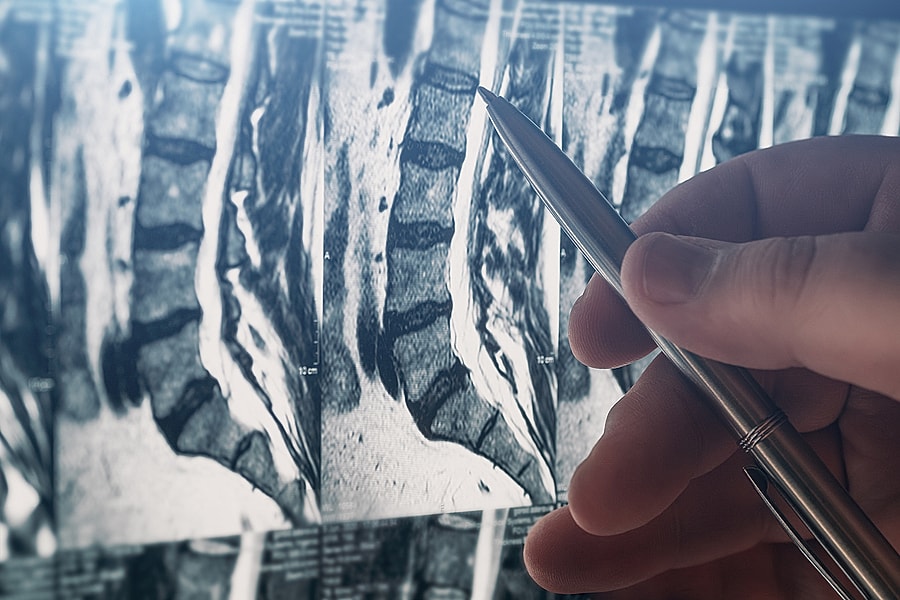
Imaging helps confirm what the exam suggests. X-rays can show alignment changes, arthritis, and bone spurs. A CT scan can clarify bony anatomy. Other imaging may be used when the problem appears to involve discs, soft tissues, nerve roots, or the spinal cord.
The goal is to identify what is causing neck pain and build your treatment around those findings.

The best neck pain treatments are chosen by source, not by habit.
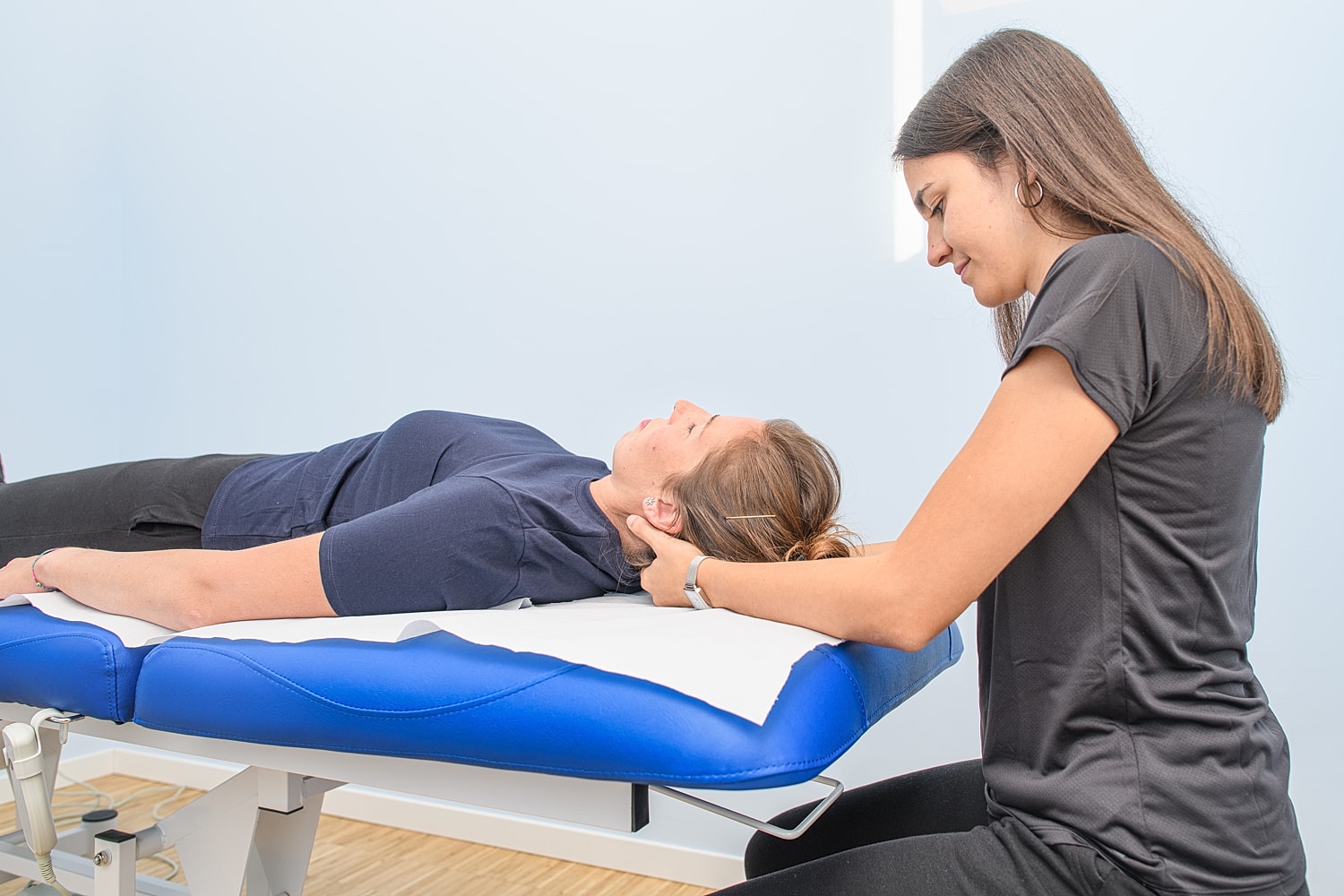
Physical therapy remains one of the strongest first-line treatments for neck pain. A skilled physical therapist can work on posture, movement patterns, strengthen the neck muscles, restore motion, and correct the mechanics that keep symptoms going. Good physical therapy does more than hand over exercises. It changes how the body carries load through the neck and upper back.
Pain relievers, pain medications, muscle relaxers, and muscle relaxants can help treat pain, calm muscle tension, and reduce inflammation during flare-ups. Supportive care is still important. A heating pad or warm shower can improve blood flow and ease muscle tension. Cold therapy can help calm acute inflammation. These are useful tools, but they are not a full treatment plan.
When inflammation, joint pain, or nerve irritation are driving symptoms, treatment gets more targeted. Epidural steroid injections can reduce inflammation around irritated nerves. Radiofrequency ablation uses radio waves to interrupt pain signaling from specific joints. Transcutaneous electrical nerve stimulation may help in selected cases. For more persistent, harder-to-control symptoms, spinal cord stimulation is another option. Spinal cord stimulation works by changing how pain signals are processed rather than trying to numb everything around them.
When the issue is structural compression, surgery becomes part of the conversation. Pressure on the spinal cord, persistent nerve compression, worsening weakness, or pain that has not responded to well-directed conservative care may all point in that direction. The goal of surgery is not cosmetic pain relief. It is to remove the structure that is causing pain and protect neurological function.
Disc replacement and other minimally invasive techniques can be strong options for patients with neck pain when the source of pain is clearly identified, and their anatomy supports that approach. These procedures are designed to address structural problems while limiting disruption to surrounding tissue, and in some cases, they can preserve motion better than more traditional surgery. The right procedure depends on what is causing the pain, how the cervical spine is functioning, and whether the issue involves disc damage, nerve compression, or pressure on the spinal cord.
Not every case of neck pain needs the same kind of care. The right fit depends on the symptoms, how long they have been present, and what is causing them.
Good candidates include patients with persistent or chronic neck pain, radiating pain, numbness, weakness, or stiffness that affects normal movement. Treatment also makes sense when neck pain starts interfering with sleep, work, driving, or daily function.
Some patients are not a good fit for the same treatment approach when the diagnosis is still unclear, or the symptoms point to a non-spine issue. In those cases, the plan may need to shift before treatment moves forward.

Treating neck pain can improve how the neck, shoulders, and upper back function and feel throughout the day. The benefits of neck pain treatment can include:
Recovery is where the difference between temporary relief and lasting change starts to show.
After conservative care, recovery often means continuing physical therapy, adjusting posture, improving workstation setup, and changing the daily mechanics that helped create the problem. After more advanced treatment, the same principle holds: movement has to improve, not just symptoms.
That is where long-term relief comes from: changing the conditions that kept feeding the problem.
The results of neck pain treatment depend on the diagnosis, how long symptoms have been present, and which treatment is used. Patients often notice less pain, better range of motion, fewer headaches, and less radiating pain into the shoulder or arm. In more advanced cases, treatment is also designed to protect strength, sensation, and overall function. The goal is to change the pattern that keeps the pain going.
Yes. When neck pain is left untreated or treated incorrectly, the pain can become more persistent, movement can become more limited, and irritation around the nerves can worsen. In some cases, patients develop chronic pain, numbness, weakness, or more consistent symptoms in the shoulder, arm, or hand. When the spinal cord or nerve roots are involved, delaying the right treatment can make the problem harder to reverse.
The cost of neck pain treatment in New York and New Jersey depends on your treatment path. A patient treated with physical therapy, medication, and home care will have a different cost profile from someone who needs imaging, injections, or surgery. Once the diagnosis is clear, the treatment plan becomes easier to define, including what care is likely to involve and how far that plan needs to go.




Neck pain treatment should feel specific. It should not sound like a list of everything a spine practice happens to offer.
At The Institute for Comprehensive Spine Care, the work begins with a clearer read on what is driving symptoms in the neck, cervical spine, spinal cord, nerves, muscles, and surrounding structures. That includes straightforward muscular strain, but it also includes the problems patients usually worry about most: pinched nerve symptoms, disc injury, arthritis, spinal stenosis, and structural compression.
Our aim is clear: diagnose the problem well, choose the treatment that fits, relieve neck pain, and create long-term relief that holds up outside the exam room.
Neck pain has a way of narrowing your world, from how you work and sleep to how you move through the day. At The Institute for Comprehensive Spine Care, Dr. Okubadejo approaches neck pain treatment with the kind of precision these symptoms call for, identifying what is actually driving the problem and building a plan around that diagnosis. Our goal is to help you relieve pain, protect function, and help restore movement with treatment that makes sense for your spine, your symptoms, and your life.
The most common causes of neck pain include poor posture, muscle strain, arthritis, injury, disc problems, bone spurs, spinal stenosis, and pinched nerve irritation in the cervical spine.
Yes. Chronic neck pain is often treated with physical therapy, pain medications, targeted procedures, and other non-surgical strategies. Surgery is reserved for structural problems that are not improving or are threatening nerve or spinal cord function.
Pain that moves into the arm often points to nerve involvement. That can include a pinched nerve, irritation of the nerve roots, or other compression in the cervical spine.
Yes, but only to a point. Home remedies like a heating pad, warm shower, cold therapy, and gentle shoulder rolls can ease tension and short-term discomfort. They do not explain why symptoms keep returning.
Surgery becomes more relevant when there is pressure on the spinal cord or nerves, progressive weakness, persistent radiating symptoms, or structural damage that has not responded to other treatments.